
Home > Alloy Steel > Alloy Steel Nuts
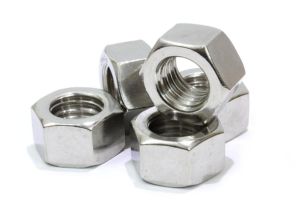
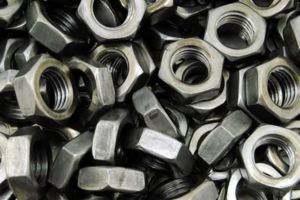
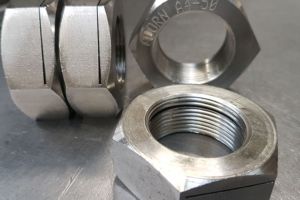
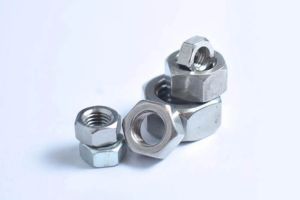
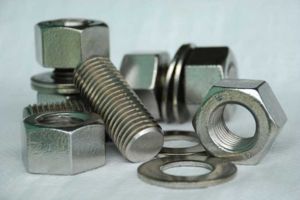
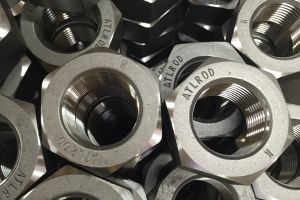
Committed to providing quality, our company is pleased to offer a wide selection of Alloy Steel Nuts carefully sourced from respected suppliers known for their expertise in producing high-grade alloy steel goods. These nuts serve as essential parts across numerous applications, presenting a broad variety of sizes, grades, and standards precisely designed to meet the varied requirements of our valued customers. Widely adopted in sectors like construction and engineering, our top-tier Alloy Steel Nuts are prized for their exceptional resistance to corrosion and abrasion. Made with accuracy through the incorporation of specialized alloys, these nuts go through rigorous heat treatment processes to boost their hardenability, guaranteeing reliable mechanical properties throughout the whole piece.
| Specifications | : | ASTM A 193 ASME SA 193 |
| Standard | : | DIN, ASTM, BS and all International Standards |
| Length | : | 3 mm to B6 mm |
| Size | : | M3 – M56 | 3/6″ to 2″ | Custom Sizes |
| Type | : | Hex Head Bolts, Square Bolts, U bolts, Eye bolts, T bolt, Hex Bolt, Lag Bolts, Counter sunk Bolts, Hex Head nuts, Square nuts, Lock nuts, Eye nuts, wing nuts, T nuts, Panel Nuts, Coupling Nuts, Dome nuts, Acorn Nuts. |
| Element | Content (%) |
|---|---|
| Iron, Fe | 35 |
| Nickel, Ni | 32-38 |
| Chromium, Cr | 19-21 |
| Copper, Cu | 3-4 |
| Manganese, Mn | ≤2 |
| Molybdenum, Mo | 2-3 |
| Niobium, Nb | ≤1 |
| Silicon, Si | ≤1 |
| Carbon, C | ≤0.07 |
| Phosphorous, P | ≤0.045 |
| Grade | C | Mn | P | S | Si | Cr | Mo |
| Alloy Steel P5 | 0.05-0.15 | 0.30-0.60 | 0.025 max | 0.025 max | 0.50-1.00 | 1.00 – 1.50 | 0.44-0.65 |
| Alloy Steel P9 | 0.10-0.20 | 0.30-0.61 | 0.025 max | 0.025 max | 0.10-0.30 | 0.50-0.81 | 0.44-0.65 |
| Alloy Steel P11 | 0.05-0.15 | 0.30-0.60 | 0.025 max | 0.025 max | 0.50-1.00 | 1.00 – 1.50 | 0.44-0.65 |
At Koasteel, we take pride in being the largest supplier and manufacturer in the New Zealand, delivering innovative solutions for every piping requirement you have. With advanced production facilities strategically positioned in the New Zealand, we maintain an extensive stock of more than 25,000 tons of top-quality materials ready and available in our inventory.
Reach out to us for a fast quote tailored to your needs.
We supply these Alloy Steel Nuts in accordance with DIN, ISO, JIS or ANSI Standard.
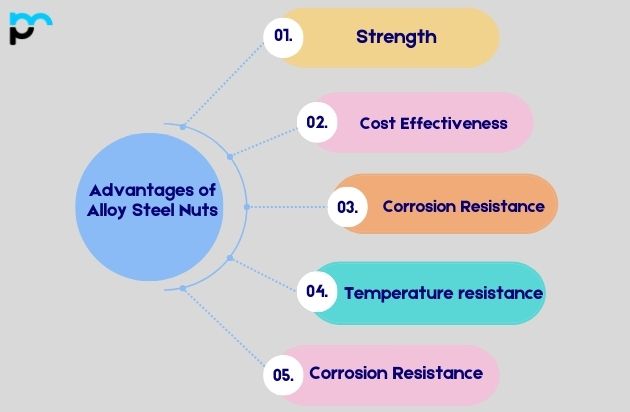
Strength:Alloy steel is recognized for its outstanding strength and durability. It can endure high levels of stress, making it well suited for uses where heavy loads or severe conditions prevail.
Cost Effectiveness: Although alloy steel nuts may carry a higher price than nuts made from ordinary materials like carbon steel, their long service life and efficiency can deliver savings over time thanks to reduced maintenance and replacement needs.
Corrosion Resistance: Alloy steel panels are usually designed to withstand corrosion and corrosion, offering durability and dependability in demanding environments.
Temperature resistance: Alloy steel frames are able to preserve their mechanical properties at high temperatures, making them well suited for heating and thermal cycling uses
Corrosion Resistance: Many alloy tiles are coated or treated to withstand corrosion. This makes them well suited for use where contact with water, chemicals or extreme weather is a concern.
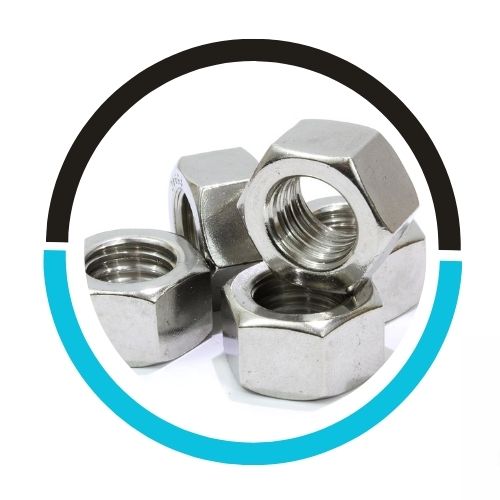
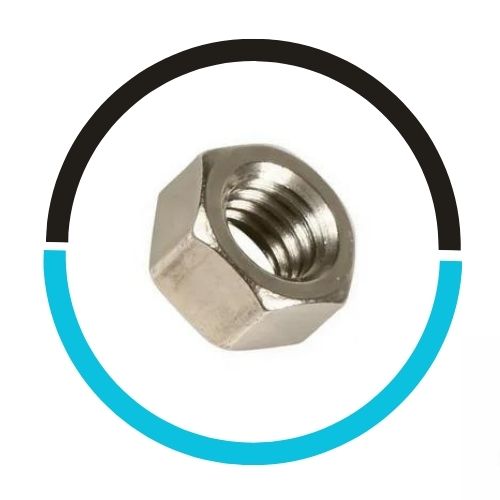
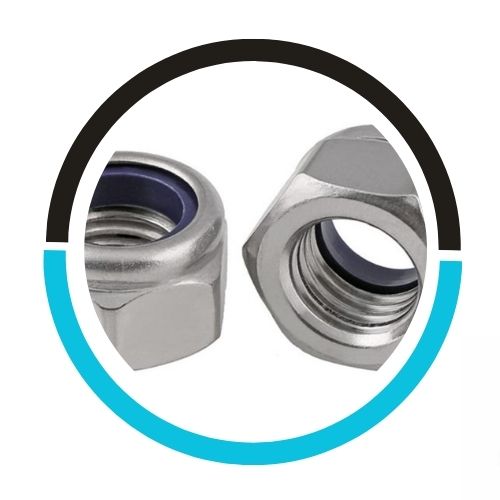
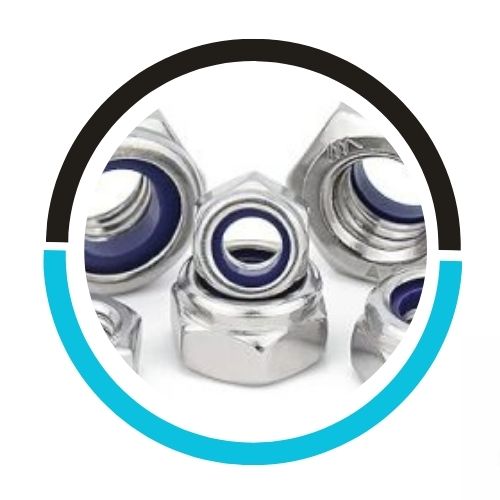
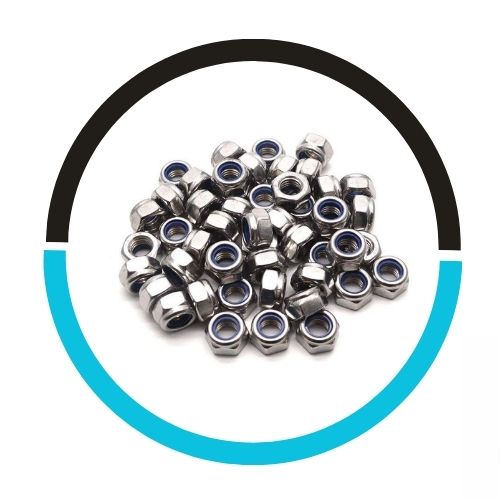
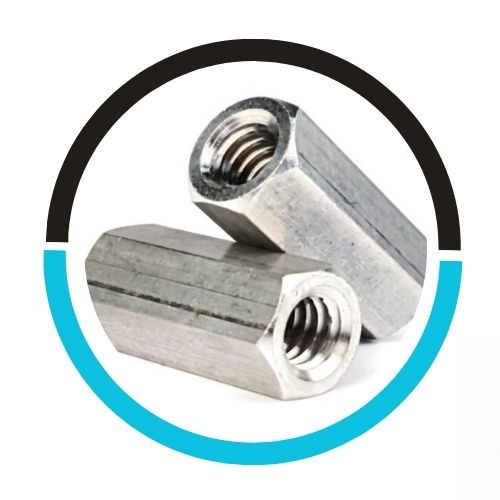
Alloy Steel Nut uses are as varied as the sectors they support, driven mainly by the aerospace, railway, construction and automotive industries along with petrochemical, nuclear, medical, Oil & Gas, Chemical, Pharmaceutical, Food & Beverage, Nuclear, Thermal Power plants, Paper and Pulp, marine and mining, etc.
Automotive Industry: The automotive sector relies on alloy steel nuts for essential components such as engine parts, chassis, suspension systems, and more. They deliver dependable fastening under high-stress conditions.
Machinery and Equipment: Alloy steel nuts are essential in the production of heavy machinery and equipment. They are utilized in assembly lines, manufacturing plants, and industrial settings where high strength and corrosion resistance are needed.
Aerospace Industry: Alloy steel nuts serve a significant function in the aerospace industry, where they are applied in aircraft assembly and maintenance. These poles offer secure fastening of critical components, guaranteeing the safety and reliability of aircraft.
Construction: Alloy steel nuts are employed where substantial strength and durability are needed. They are frequently used as bolts and fasteners for building frames, bridges, and infrastructure projects.
Identify application requirements: Know the requirements of the application, such as load capacity, temperature, environmental conditions (degradable or non-degradable), and the durability you need.
Determine Strength Requirements: Alloy steel nuts offer varying degrees of strength, usually expressed through tensile strength and yield strength. Verify that the nut you choose matches or surpasses your application’s strength needs to avoid failure.
Consider the corrosion resistance of the nut: When the nut will encounter water, chemicals, or other corrosive substances, select an alloy steel nut that resists corrosion. Stainless steel or particular coatings can boost corrosion resistance.
Choose an alloy steel grade: Alloy steel nuts are available in various grades, each delivering different mechanical properties and resistance to corrosion and elevated temperatures. Common grades include ASTM A193 Grade B7, ASTM A194 Grade 2H, and ASTM A563 Grade A.
Yes,Alloy steel nuts may be vulnerable to galvanic corrosion when they come into contact with dissimilar metals in an electrolyte. How severe this is depends on the particular alloy makeup and whether the metals involved are noble or active, which can either speed up or reduce the corrosion process.
Yes,Alloy steel nuts can usually be recycled once they’ve been used. Recycling methods work by melting the steel back down to its raw state and then shaping it into new items, such as nuts. This approach conserves resources and lessens environmental impact by cutting down the demand for producing new steel.
Yes,Alloy steel nuts may be prone to corrosion, based on their makeup and the surrounding conditions. Elements like contact with moisture, chemicals, or elevated temperatures can promote corrosion. Suitable coating or careful material choice can help reduce corrosion and extend the nut’s service life.
Choosing the correct alloy steel nut means weighing factors such as environmental conditions, the strength you need, resistance to corrosion, and tolerance for temperature. Assess how well it works with mating materials to avoid galvanic corrosion. Refer to industry standards and material datasheets, and get input from engineers or suppliers to confirm the nut satisfies the demands of your particular application.
Email: sales@koasteel.nz